Figures, dates and what the operator wants up front
- The figure
- from $2,875 per person
- Nights
- 11
- Season
- late June to early September
- At reservation
- 50 per cent at reservation
The operating company asks for half the figure when the reservation is placed and the rest sixty days before departure.
Fixed departures
- 27 June to 8 July 2027
- 22 July to 2 August 2027
- 17 to 28 August 2027
These are dates, not a range to slide around. A departure with no date attached is a different kind of contract altogether and this office does not write those.
Inside the figure
- Eleven nights, six in felt tents and five in guest houses
- All meals from dinner on day one to breakfast on day twelve
- Horses and a herder for the four riding days
- A driver and van for every road section
- A guide who works in English throughout
Left out
- Flights into and out of Bishkek
- Drinks other than tea with meals
- Border zone permits for side trips off the itinerary
- Tips for the guide, the driver and the herders
Eleven nights, six of them under felt
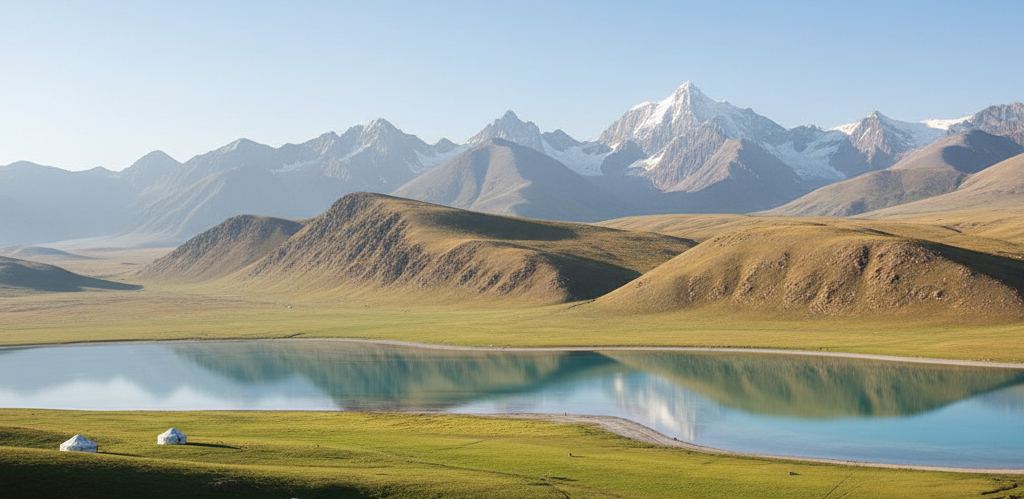
The trip is built around Song Kul. It is a shallow lake at about 3,016 meters, roughly 29 kilometers long and 18 across. It freezes in winter and is clear of ice from late May. Families bring their animals up in June and take them down in the first days of September. The camps exist only inside that window.
You reach the lake over a pass. From the north the road climbs to 3,446 meters in a stack of switchbacks. From the Naryn side it crosses at 3,346 meters. Both are unsealed and both are slow, so plan on a half day for what looks like ninety minutes.
Six nights are in felt tents on the pastures, and five are in guest houses lower down. Two of those are below the stone caravanserai at Tash Rabat, itself at about 3,200 meters. Nights on the pastures reach freezing even in July. You get several quilts and a stove that is lit in the evening and cold by two in the morning.
Horses here are transport, not sport
A horse on the pastures is a working animal. It carries people, felt, milk churns and firewood, and it has not been schooled for an arena. The saddle is a wooden frame with felt pads over the top. It is harder than anything most visitors have sat on.
You ride on four of the eleven days, four to six hours each. Almost all of it is at a walk. A herder rides with the group and sets the pace. No experience is needed, and nobody is asked to do more than sit and steer. Hard hats are not provided, so bring one if you want one.
The riding days connect one camp to the next. Riding is how you move, not an activity added on top. That also means the day does not shorten because you have had enough. Two of the four days have a long climb in the middle, where most people get off and lead. Expect to be sore on the second morning and fine by the fourth.
Inside a felt tent
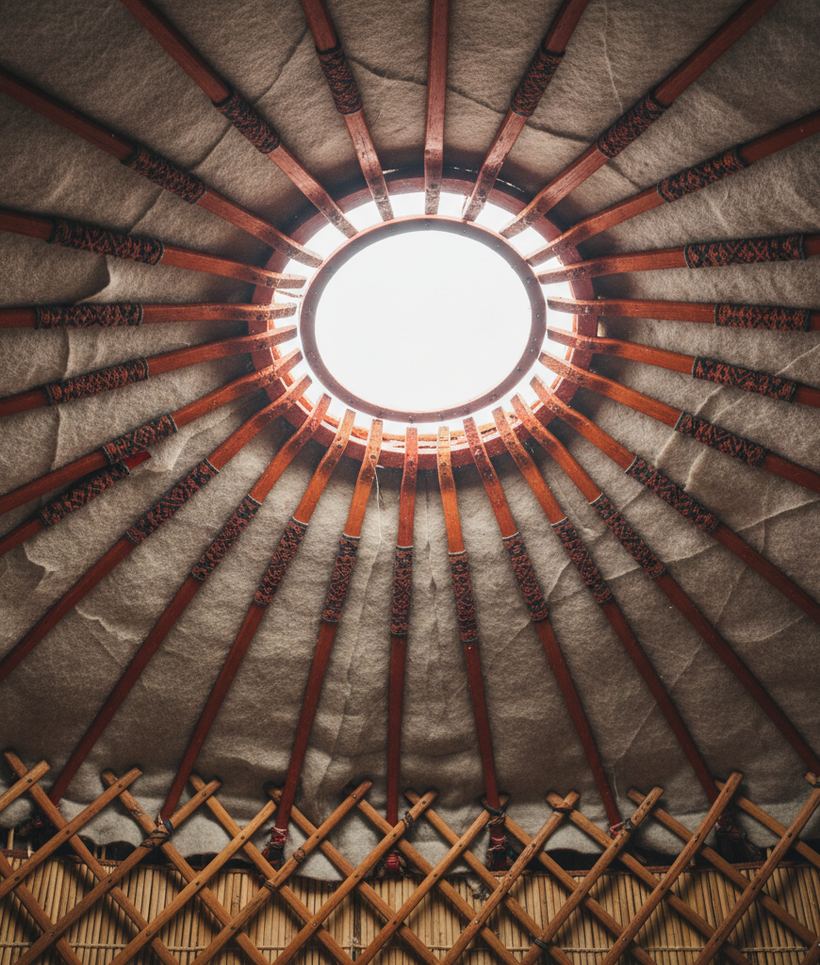
The frame is three parts. A lattice of willow strips, pulled open into a circle, makes the wall. Curved poles rise from it to a wooden ring at the top, painted red underneath. That ring is the shape on the national flag. Over the frame go a reed screen and then layers of felt. There are one to four layers, depending on the season and the family.
The floor is stacked with felt carpets in red, white and dark gray. They are cut in pieces and sewn back together, so the pattern reads as two colors swapping places. Along the wall sit chests, quilts folded high, and woven bands holding the poles in tension.
A stove stands under the ring, its pipe going out through the opening. At night a flap is pulled across the top by a line that hangs down inside. In rain that line is the first thing you look for. The door frame is low. Everyone hits it once.
Expect a week without a shower or a signal
There is no plumbing on the pastures. Latrines are pits in a wooden shelter, set well away from camp. You wash from a basin or a hanging can. A solar panel runs a light for an hour or two after dark. Phone signal at the lake is poor to absent, depending on the network. In some side valleys there is none at all.
Weather is the other thing. Rain, hail and wet snow arrive in July, usually in the afternoon, and can sit for a day. When the track is wet a van loses an hour, and groups have waited longer than that.
Meals repeat. Bread, rice, noodles, potatoes, mutton, tea, and fermented mare milk if you want it. There is nothing to buy between camps. Some travelers find the first night under felt is the interesting one. By the sixth it is simply a night. That is worth knowing before you hold a place.
Where $2,875 else goes
This departure sits on the $2,875 rung, and it is not alone there. The office keeps every trip at that figure on one page so the number can be seen doing different work in different parts of the world. It does not rank them and will not tell you which is the better buy, because that is not a judgement a figure supports.
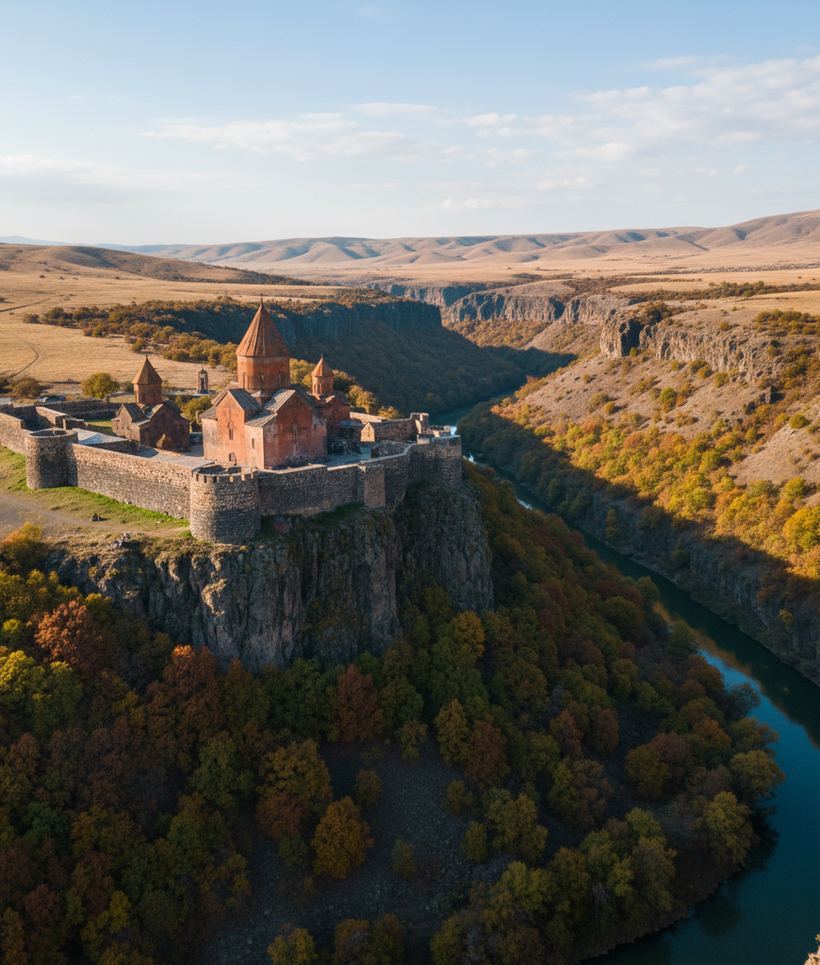
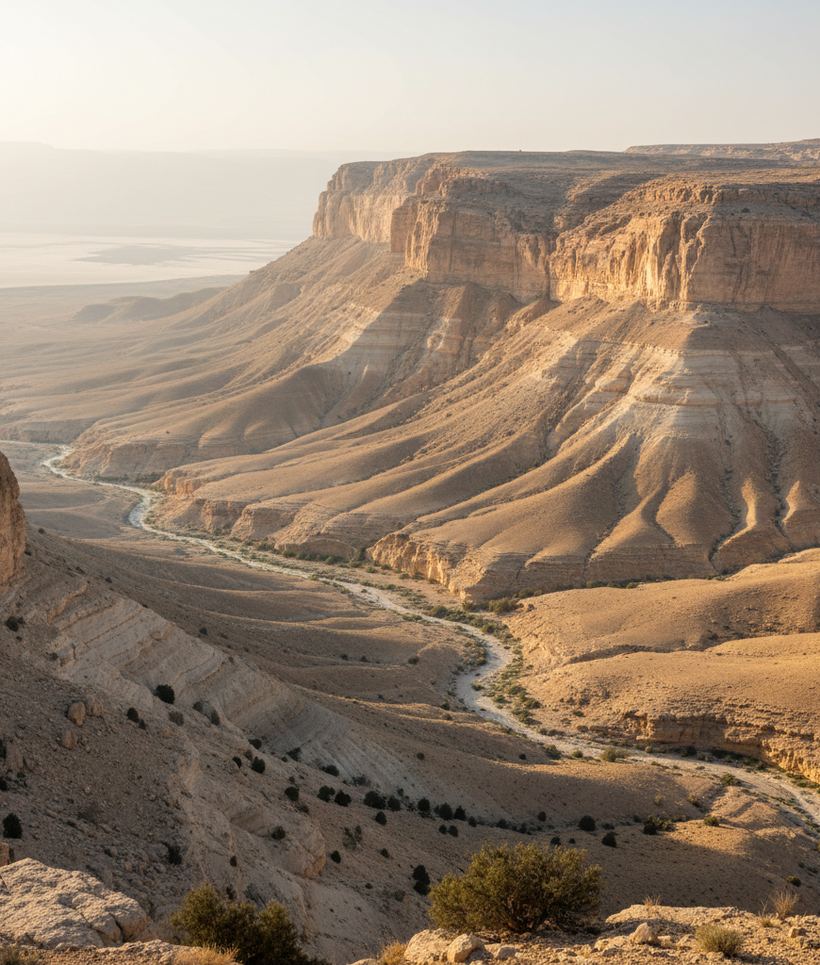
The same $2,875 somewhere else entirely
These 3 cost exactly what this one costs, and resemble it in nothing else. That is the point of filing a catalogue by figure. The office sets them out and leaves the choosing to you.
Start from the figure you actually have
Requests are taken every hour of every day. A person reads what this collects and writes back inside one business day. Money never changes hands here, and this office holds no card details of yours at any stage.
Orchard and Oar Bookings LLC
1401 E Broward Blvd, Suite 305Fort Lauderdale, FL 33301
+1 (954) 522-3140Calls run one way only: this office answers what reaches it and starts nothing of its own, by voice or by message.
reservations@orchardandoar.com
No opening times are posted. What is promised instead is the wait: a written request is answered inside one business day, and that is the undertaking the office will be held to.