Figures, dates and what the operator wants up front
- The figure
- from $4,190 per person
- Nights
- 12
- Season
- April to November
- At reservation
- 100 per cent at reservation
The operating company asks for the whole figure, $4,190 per person, at the time the reservation is confirmed, so no balance falls due later.
Fixed departures
- 9 to 21 May 2027
- 4 to 16 August 2027
- 10 to 22 October 2027
These are dates, not a range to slide around. A departure with no date attached is a different kind of contract altogether and this office does not write those.
Inside the figure
- Twelve nights in small lodges and guest houses, two sharing a room
- All road transport within Madagascar, with a driver and a four wheel drive vehicle
- The two river crossings, made on the public ferries that serve the western road
- Reserve entry fees and the local forest guides the parks require
- Breakfast every day, plus eight evening meals
Left out
- International flights to and from Madagascar; reaching the country is not covered by the figure
- Visas and travel insurance, which the traveller arranges independently
- Lunches, drinks and four evening meals
- Single occupancy, which the operating company prices separately
Why the trip crosses the whole island
Madagascar is a big island and its two best known forests sit at opposite edges of it. This guided Madagascar trip for the dry season takes both, west then east, because they are nothing alike and one explains the other.
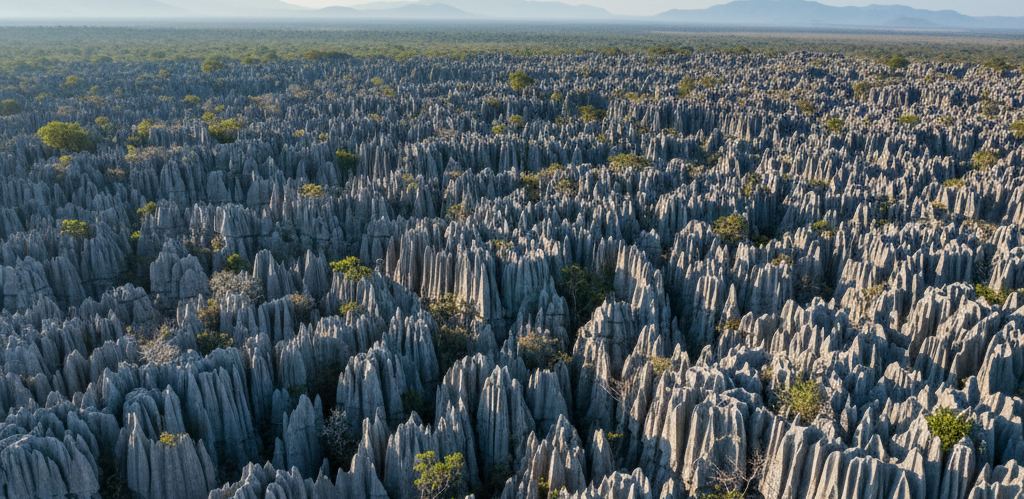
The west is Bemaraha. Limestone laid down under a shallow sea, lifted, then cut by rain into a standing field of blades, some of them seventy metres tall. Almost nothing grows on the tips. In the gullies below there is dry deciduous forest that drops its leaves for half the year.
The east is Andasibe, four hours from the capital on the main highway, and it is wet montane rainforest. Rain falls there in every month, including the dry ones. Between the two lies the central plateau, which is neither: worked terraces, brick pits, cattle on the verge, and two long days in a vehicle. Twelve nights is what doing that honestly takes, with two full days in each forest instead of one.
Listen for the indri just after seven
The indri sings in the morning, most often between seven and eleven, and the sound arrives before anything else does. It is a long rising wail, several animals at once, and it carries more than two kilometres through the forest. Groups sing to hold their ground, so one answer usually sets off another somewhere down the valley.
Walks at Analamazaotra go out early with a local guide, which the reserve requires. Trails are clay, often wet, with roots and short steep pitches. Indri sit high, so most of the looking is straight up through the canopy.
Mantadia, further north on a rough track, is older forest and holds diademed sifaka. Fewer people go there and the walking is harder. After dark the roadside walks turn up mouse lemurs, sleeping chameleons and frogs. None of this runs to a schedule. Some mornings the forest is quiet and you hear one group, far off, for thirty seconds.
Blades, fissures and the ledges between them
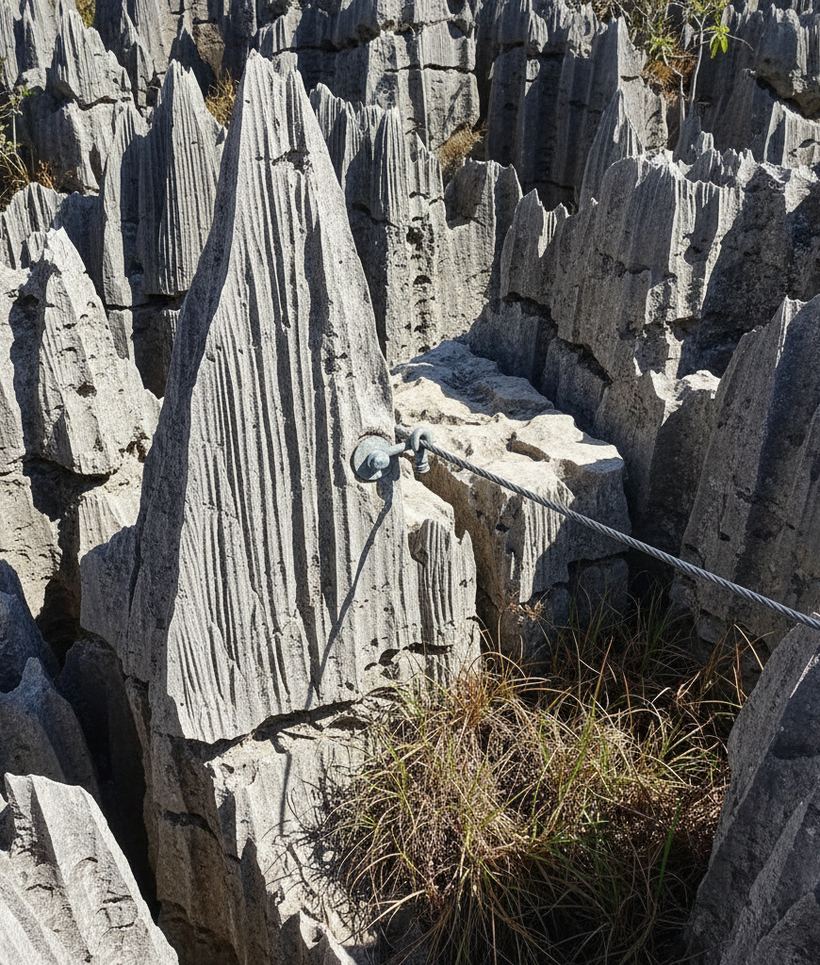
Up close the rock is not scenery, it is a surface. Rain has dissolved the limestone along its joints for millions of years, leaving fins and slots with edges sharp enough to cut a hand that slides along one.
Routes through the Grand Tsingy are fixed. You wear a harness and clip to a cable for much of the way, squeeze through fissures wide enough for shoulders and no more, climb short steel ladders, and cross a suspension bridge strung between two towers. It is exposed rather than technical, and it will not be rushed. Petit Tsingy is lower and shorter and is usually done first, to see whether the harness work suits you.
In the gullies under the blades there is shade, standing water in places, and lemurs that come down the walls early. The colour changes late: the fins are flat grey at noon and orange for twenty minutes before the sun goes.
The road to Bekopaka takes eight hours
The reserve is 200 kilometres from Morondava and the drive takes eight hours when it goes well. It is not a bad road in any dramatic sense. It is a graded track with corrugations, sand sections, and two river crossings where the vehicle drives onto a flat public ferry and waits.
The waiting is the part people underestimate. A crossing can take twenty minutes or two hours, depending on what is ahead of you and where the water sits. There is no schedule to consult and no way to make it faster. You do the drive twice, in and out, and both days are largely spent sitting down being shaken. Dust gets into everything.
Between December and March the road is usually impassable and the reserve closes, which is why this trip does not run then. In April the surface is still soft in places and the day can run long.
Where $4,190 else goes
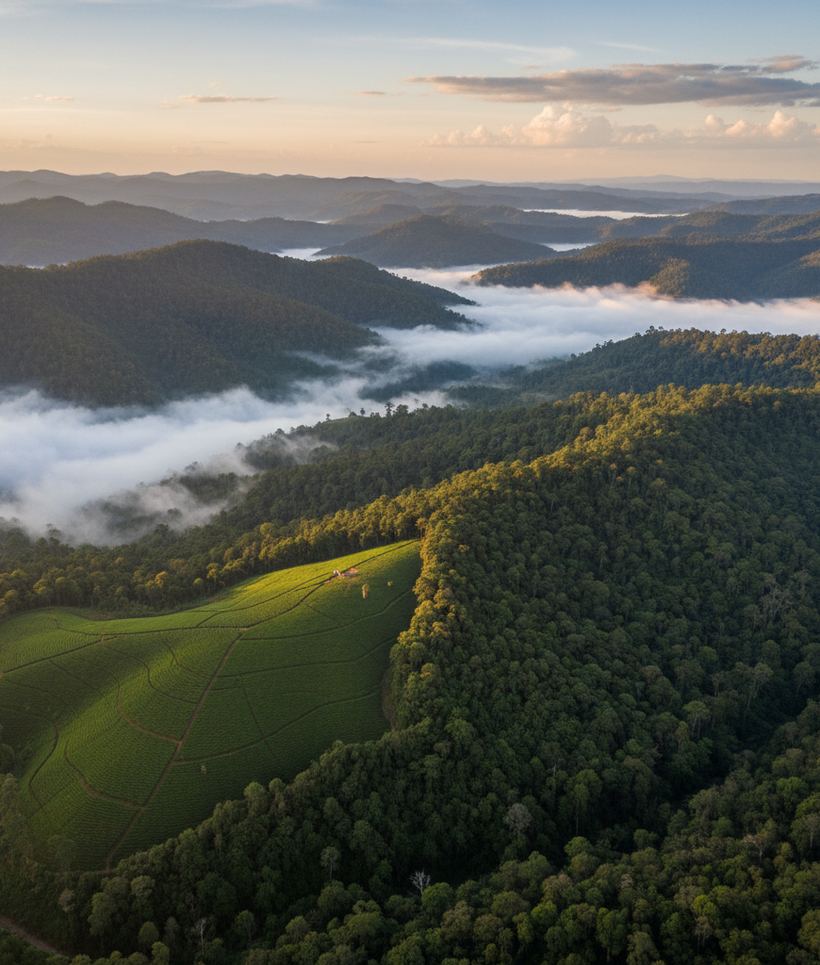
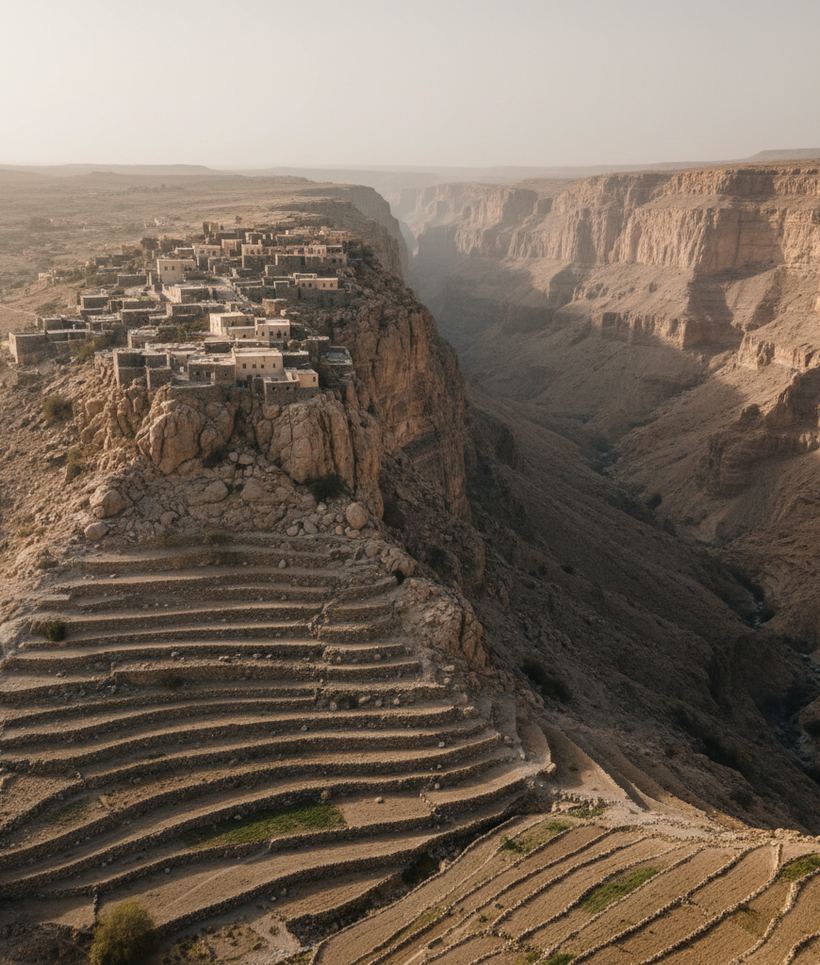
This departure sits on the $4,190 rung, and it is not alone there. The office keeps every trip at that figure on one page so the number can be seen doing different work in different parts of the world. It does not rank them and will not tell you which is the better buy, because that is not a judgement a figure supports.
The same $4,190 somewhere else entirely
These 2 cost exactly what this one costs, and resemble it in nothing else. That is the point of filing a catalogue by figure. The office sets them out and leaves the choosing to you.
Start from the figure you actually have
Requests are taken every hour of every day. A person reads what this collects and writes back inside one business day. Money never changes hands here, and this office holds no card details of yours at any stage.
Orchard and Oar Bookings LLC
1401 E Broward Blvd, Suite 305Fort Lauderdale, FL 33301
+1 (954) 522-3140Calls run one way only: this office answers what reaches it and starts nothing of its own, by voice or by message.
reservations@orchardandoar.com
No opening times are posted. What is promised instead is the wait: a written request is answered inside one business day, and that is the undertaking the office will be held to.