Figures, dates and what the operator wants up front
- The figure
- from $2,410 per person
- Nights
- 12
- Season
- January to March, July to September
- At reservation
- 10 per cent at reservation
The operating company asks for 10 percent of the figure to hold the reservation, and the remaining 90 percent sixty days before departure.
Fixed departures
- 16 to 28 January 2027
- 6 to 18 March 2027
- 7 to 19 August 2027
These are dates, not a range to slide around. A departure with no date attached is a different kind of contract altogether and this office does not write those.
Inside the figure
- Twelve nights in small guest houses, two of them on tea estates
- Breakfast every day and six evening meals
- All rail seats, reserved in advance where the class allows it
- A car and driver for the sections the line does not cover
- Horton Plains entry and a licensed guide for the plateau walk
Left out
- International flights to and from Sri Lanka
- Entry formalities and any fees they carry
- Lunches, drinks and laundry
- Tips for drivers and local guides
Twelve nights, and most of them above 1,200 metres
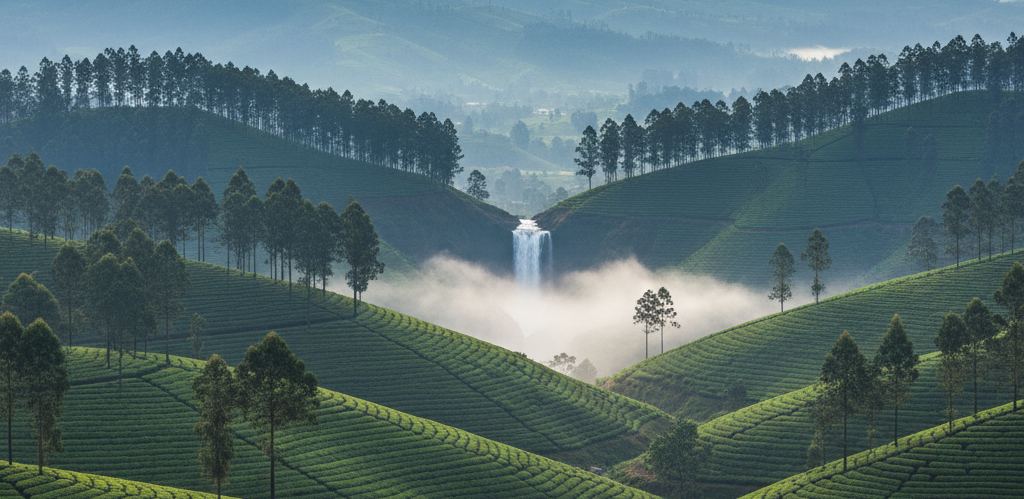
The trip starts low and climbs. Kandy sits near 500 metres, warm and busy. From there the road and the line go up together into the central massif. Nuwara Eliya stands at about 1,890 metres, where nights fall to five degrees and old hotels keep fires lit. Haputale is a little lower, on a ridge with a drop on both sides. Ella is lower again at roughly 1,040 metres, and warmer for it.
Two monsoons split the year here. The southwestern one soaks the western slopes from May into September. The northeastern one turns to the far side from December into February. Nothing in these hills is dry for long, but the trip is timed for the gaps: January to March, then July to September. Rain still arrives most weeks. It usually arrives late in the day.
Three other trips sit on this figure. They are on different continents and share nothing else.
Two leaves and a bud, on slopes cut in the 1880s
Coffee came first and failed. A rust fungus reached the island in 1869 and took the crop within a decade. Tea replaced it, planted from the late 1860s, and by the 1880s the ridges had been cut into the steps you walk between now. The labour came from south India, brought over in numbers, and their descendants still live in the long dwellings, called line rooms, that sit below most estates.
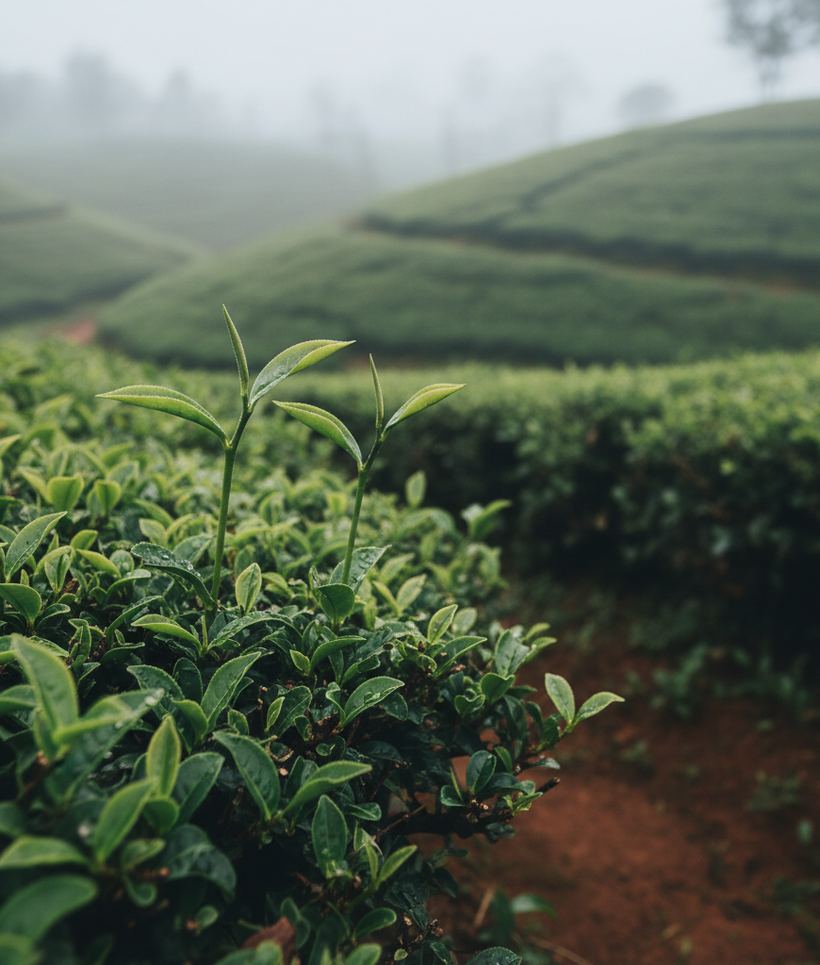
Plucking runs on a cycle of seven to ten days. Only the top two leaves and the unopened bud are taken, which is why the surface of each bush is flat and hard as a bench. Leaf is weighed in the field, then withered overnight on louvred wooden floors, rolled, left to oxidise, dried and graded.
Wages here are argued over in public and revised every few years. In 2021 the country banned imported chemical inputs for seven months, and yields on these slopes have not entirely recovered.
Ride the line slowly, because it has no other speed
The line was pushed up from the coast from 1864 and did not reach Badulla until 1924. It runs through forty six tunnels and holds to the contour wherever it can. At Demodara the track spirals down and passes under itself, which is the only way to lose height in that space. Below Ella it crosses a viaduct of nine stone arches, built without structural steel.
Kandy to Ella is about 140 kilometres and takes seven hours or so. Nothing about that is going to change, and the trip is planned around it rather than against it.
Reserved seats open thirty days ahead and go quickly on the popular sections. The trip holds them where it can and uses unreserved carriages where it cannot. Doors stay open, the floor is worn, and people stand in them. Most years somebody leans out too far and is killed against a rock face, which is why the guides are firm about it.
World's End is often a wall of cloud
Horton Plains sits at about 2,100 metres, a plateau of wet grassland and stunted cloud forest. Its edge drops roughly 870 metres in one step, and that edge is the reason most people go. It is also under cloud by nine on many mornings, and sometimes from first light. Walkers set off at half past six to have any chance of the view, in near freezing air, and a fair number see white and nothing else.
The loop is about nine and a half kilometres over rough ground. Entry for foreign visitors runs to several thousand rupees, which surprises people. After rain the grass holds leeches.
None of that can be arranged around. The plateau is offered here as a morning that may deliver nothing, and it is worth saying so before anybody pays for it.
Where $2,410 else goes
This departure sits on the $2,410 rung, and it is not alone there. The office keeps every trip at that figure on one page so the number can be seen doing different work in different parts of the world. It does not rank them and will not tell you which is the better buy, because that is not a judgement a figure supports.
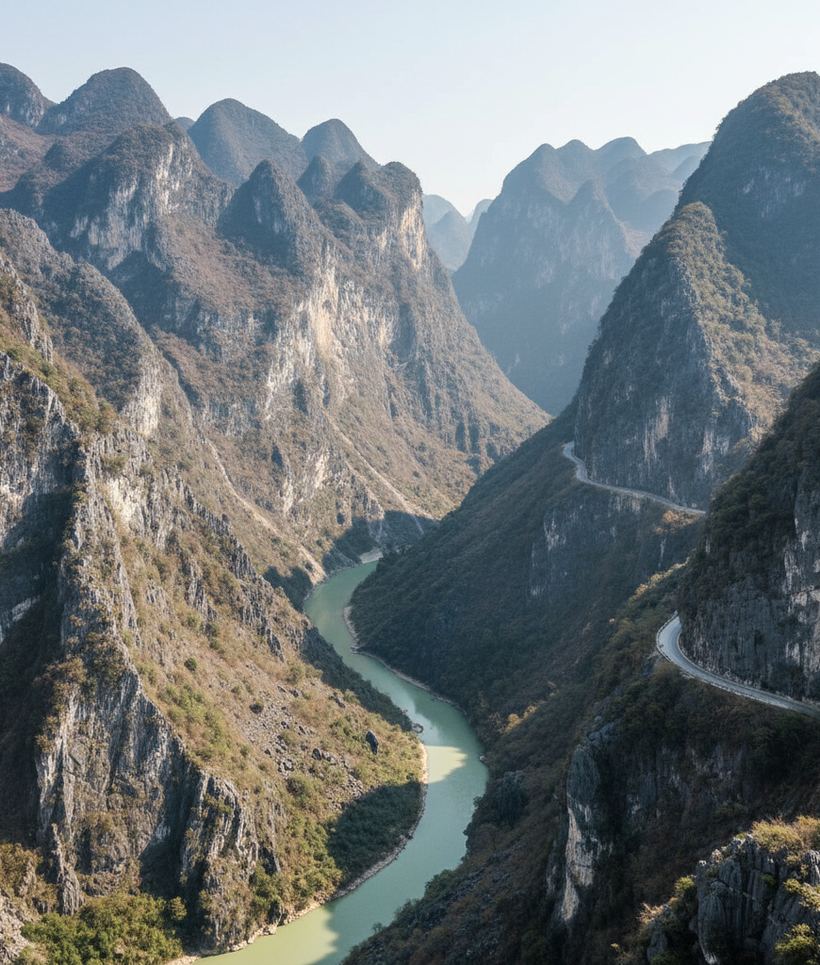
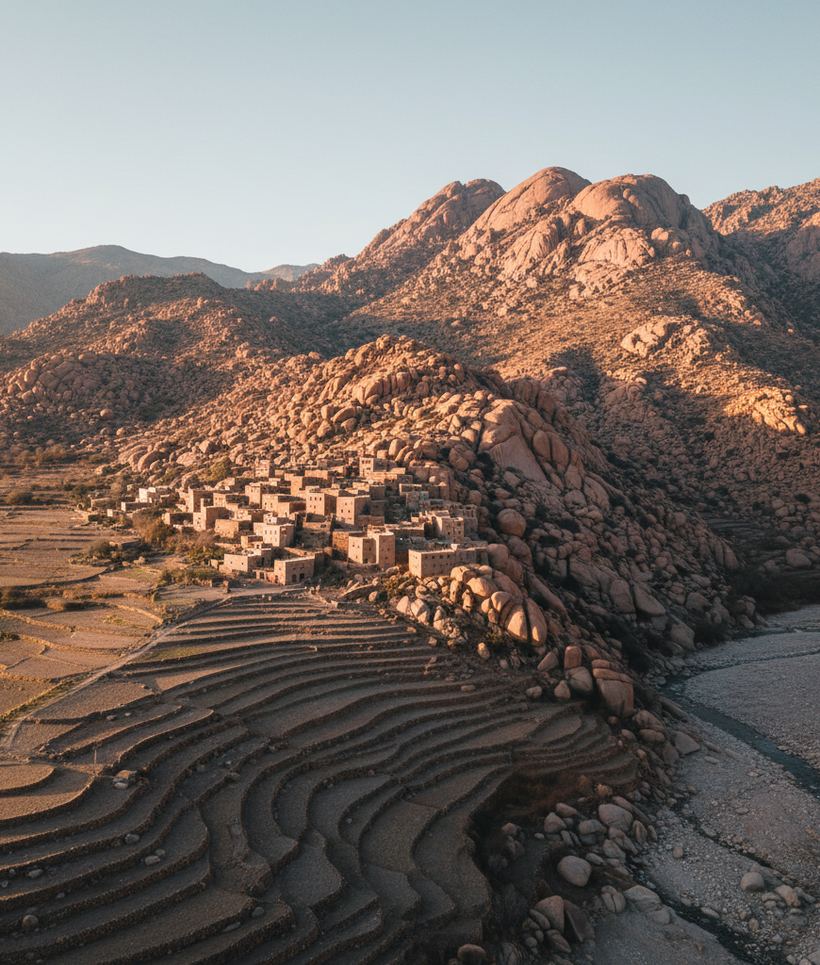
The same $2,410 somewhere else entirely
These 3 cost exactly what this one costs, and resemble it in nothing else. That is the point of filing a catalogue by figure. The office sets them out and leaves the choosing to you.
Start from the figure you actually have
Requests are taken every hour of every day. A person reads what this collects and writes back inside one business day. Money never changes hands here, and this office holds no card details of yours at any stage.
Orchard and Oar Bookings LLC
1401 E Broward Blvd, Suite 305Fort Lauderdale, FL 33301
+1 (954) 522-3140Calls run one way only: this office answers what reaches it and starts nothing of its own, by voice or by message.
reservations@orchardandoar.com
No opening times are posted. What is promised instead is the wait: a written request is answered inside one business day, and that is the undertaking the office will be held to.