Figures, dates and what the operator wants up front
- The figure
- from $2,410 per person
- Nights
- 9
- Season
- October to April
- At reservation
- 50 per cent at reservation
The operating company asks for 50 percent of the figure when the reservation is made, with the balance due seventy days before departure.
Fixed departures
- 6 to 15 February 2027
- 3 to 12 April 2027
- 23 October to 1 November 2027
These are dates, not a range to slide around. A departure with no date attached is a different kind of contract altogether and this office does not write those.
Inside the figure
- Nine nights in village guest houses, half board
- A local walking guide from the Ameln valley for six days
- Baggage moved between villages by road or by mule
- Transfers from Agadir, back to Agadir, and between valleys
- Entry to the granary at Amtoudi and to the engraved sites
Left out
- International flights to and from Morocco
- Entry formalities and any fees they carry
- Drinks, laundry and anything bought in the weekly market
- Tips for guides and drivers
Granite domes, and a basement two billion years old
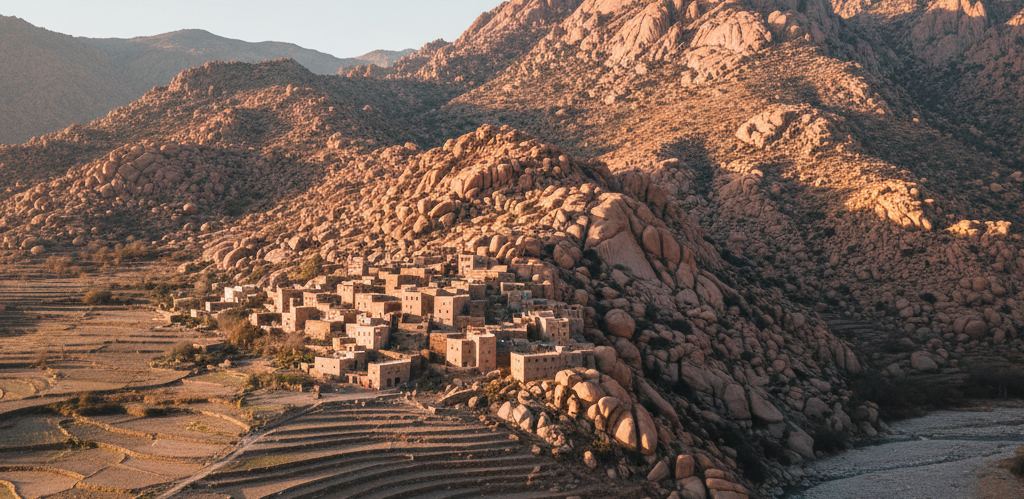
The Anti Atlas runs about 500 kilometres inland from the Atlantic, south of the High Atlas and north of the Sahara. Its basement is Precambrian, in places close to two billion years old, and erosion has stripped almost everything off it. Around Tafraout that basement is pink granite, weathered into domes and fields of loose boulders the size of small houses. North of the town, Jebel Lekst rises to 2,359 metres, and the Ameln valley runs along its foot with more than twenty villages on the slope.
Walking days are three to six hours, on mule tracks and terrace paths, with a few hundred metres of climb in them. Nights are spent in villages between roughly 1,000 and 1,800 metres. October to April is the workable window. By May the middle of the day is too hot to walk in, and the trip does not run.
What the saffron ground looks like in late October
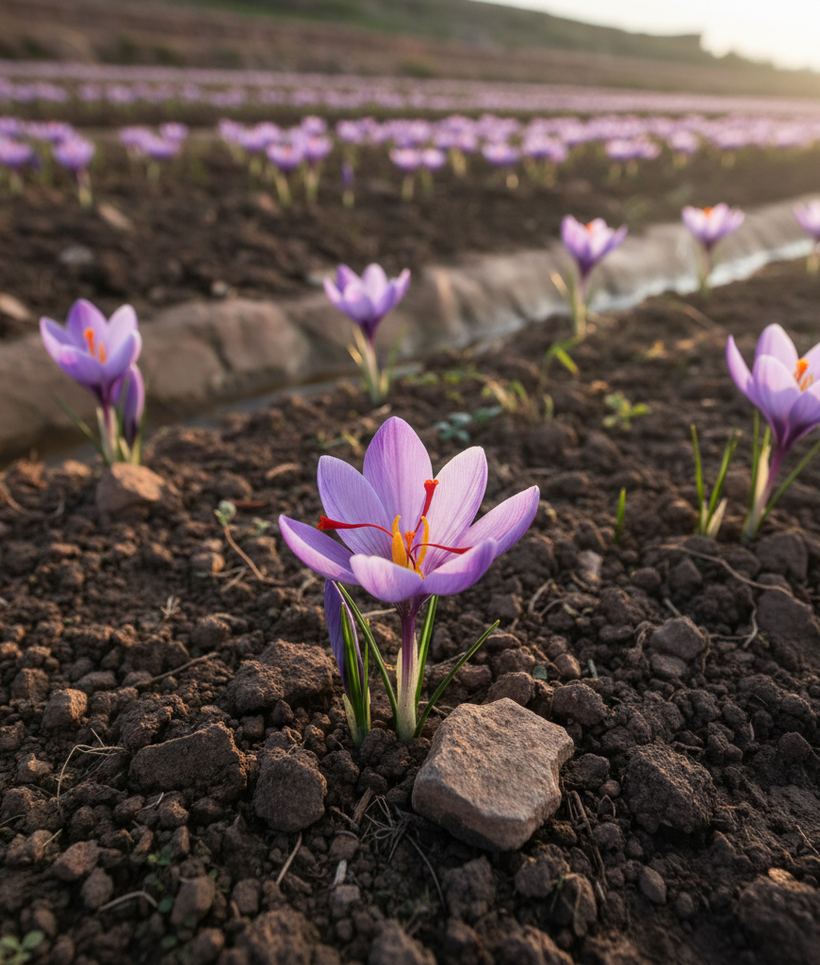
Crocus sativus flowers for two or three weeks from about the twentieth of October. The fields sit above Taliouine, mostly between 1,200 and 2,000 metres, on terraces watered by open earth channels. Flowers are gathered at first light, before the sun opens them fully. Each one holds three red stigmas, and it takes on the order of 150,000 flowers to make a kilogram once dried.
The stigmas are separated the same day, indoors, by hand, and dried within hours. A hectare gives a few kilograms in a good year. The region carries a protected designation granted in 2010, and a gathering in Taliouine marks the end of the flowering in early November.
Only the late October departure sees any of this. In February the same ground is bare brown terrace, the corms are underground, and there is nothing on the surface to look at.
Painted twice, four thousand years apart
South of Tafraout, near Aguerd Oudad, a field of granite boulders was painted blue and pink in 1984 by a Belgian artist working with borrowed pumps. It has been touched up several times since and is fading again. People here still argue about whether it should be there at all.
The older painted rock is 200 kilometres southeast, on dark sandstone near Akka and Ait Herbil. Engravings there show elephants, giraffes and long horned cattle, cut somewhere between six and three thousand years ago, when this ground carried standing water. Nothing guards most of them. They sit beside a track.
Between the two lie the agadirs, collective granaries of dry stone built on spurs, each holding dozens of small locked cells that belonged to named families. The one above Amtoudi takes about forty minutes to climb to and was still in use within living memory.
Half the houses are shut, and the terraces are going
Men from these valleys have run grocery shops in Casablanca and in France for four generations. Registered populations and actual ones are different numbers here. Outside August, when families come back, a village of two hundred houses may have thirty occupied. Terrace walls need repair after every serious rain, and where nobody is left they slump into the slope. You walk past a good deal of that.
Rooms are unheated. In January it can reach freezing at 1,600 metres, and the stone holds the cold all morning. The road up from Agadir is 160 kilometres and takes about three hours on switchbacks. Two of the connecting tracks are rough enough to be genuinely unpleasant.
There are also hours with very little in them. Dry slope, dry sky, one channel of water. Some people find that is the point of the place, and some find it long.
Where $2,410 else goes
This departure sits on the $2,410 rung, and it is not alone there. The office keeps every trip at that figure on one page so the number can be seen doing different work in different parts of the world. It does not rank them and will not tell you which is the better buy, because that is not a judgement a figure supports.
The same $2,410 somewhere else entirely
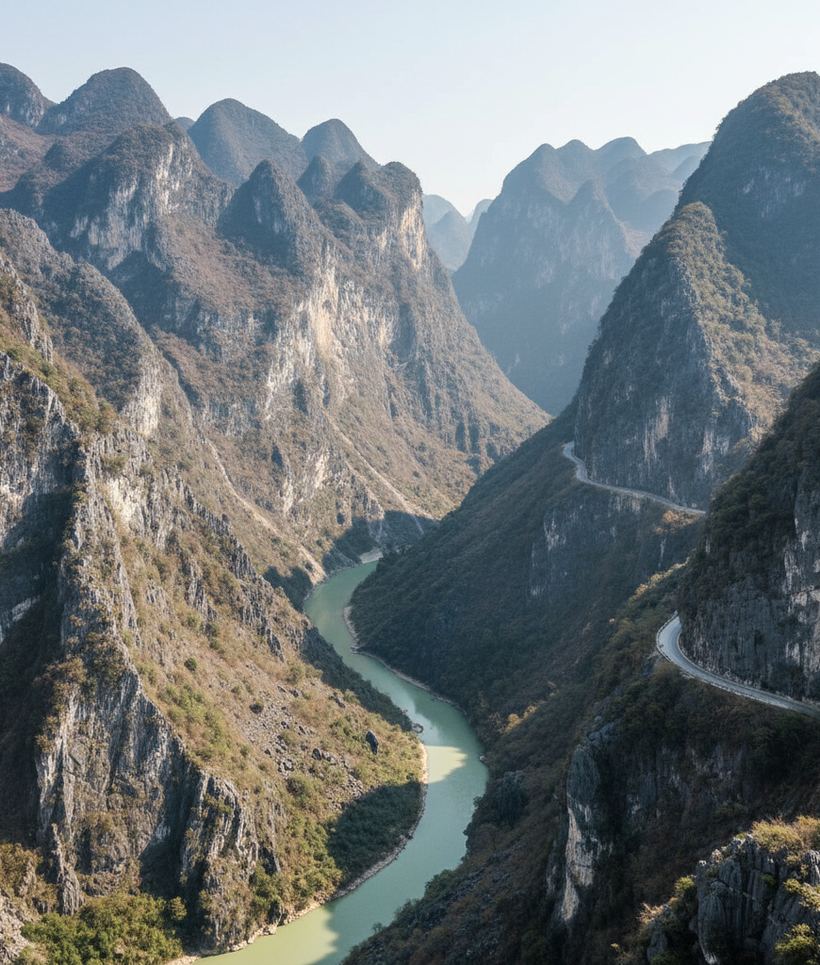
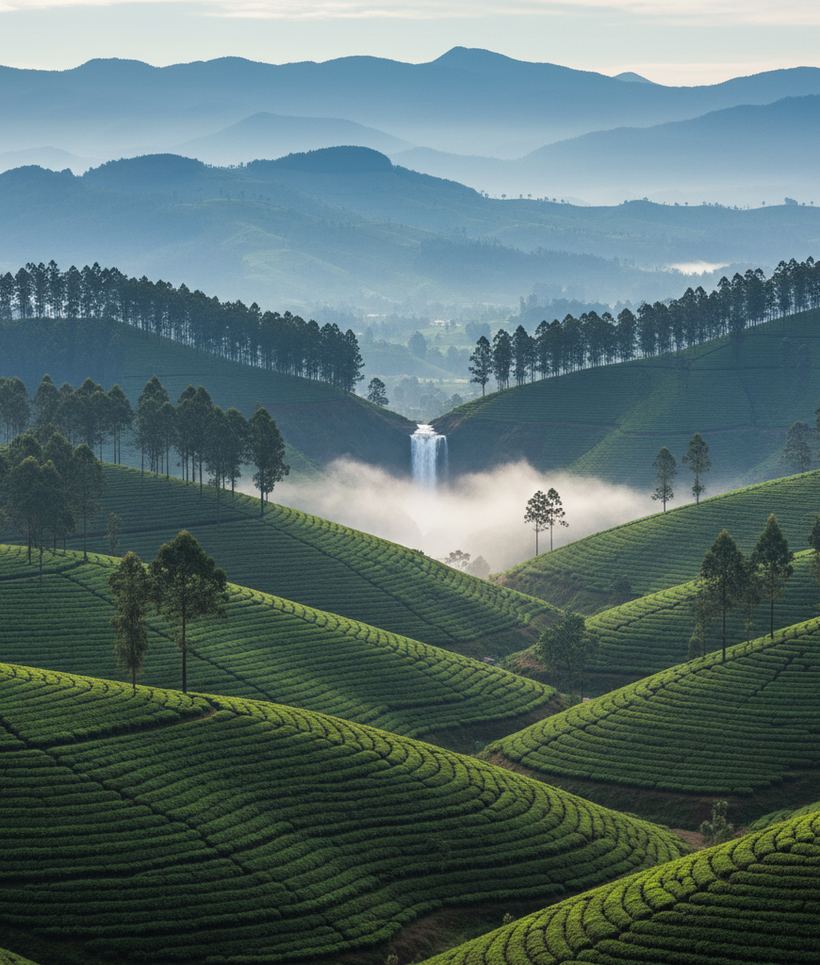
These 3 cost exactly what this one costs, and resemble it in nothing else. That is the point of filing a catalogue by figure. The office sets them out and leaves the choosing to you.
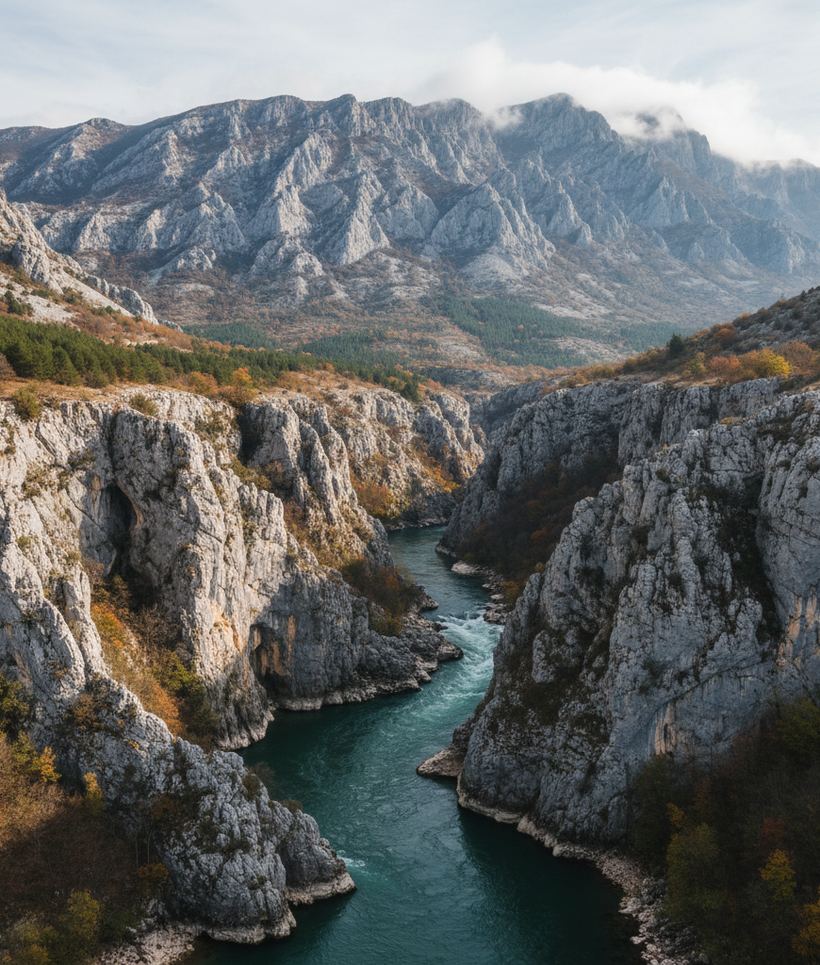
Start from the figure you actually have
Requests are taken every hour of every day. A person reads what this collects and writes back inside one business day. Money never changes hands here, and this office holds no card details of yours at any stage.
Orchard and Oar Bookings LLC
1401 E Broward Blvd, Suite 305Fort Lauderdale, FL 33301
+1 (954) 522-3140Calls run one way only: this office answers what reaches it and starts nothing of its own, by voice or by message.
reservations@orchardandoar.com
No opening times are posted. What is promised instead is the wait: a written request is answered inside one business day, and that is the undertaking the office will be held to.